


Tricone Bits
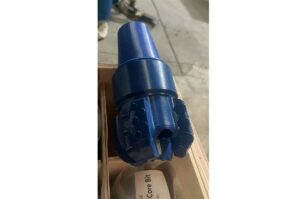
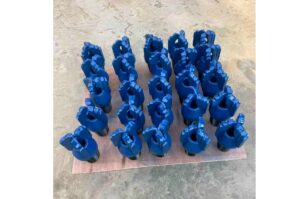
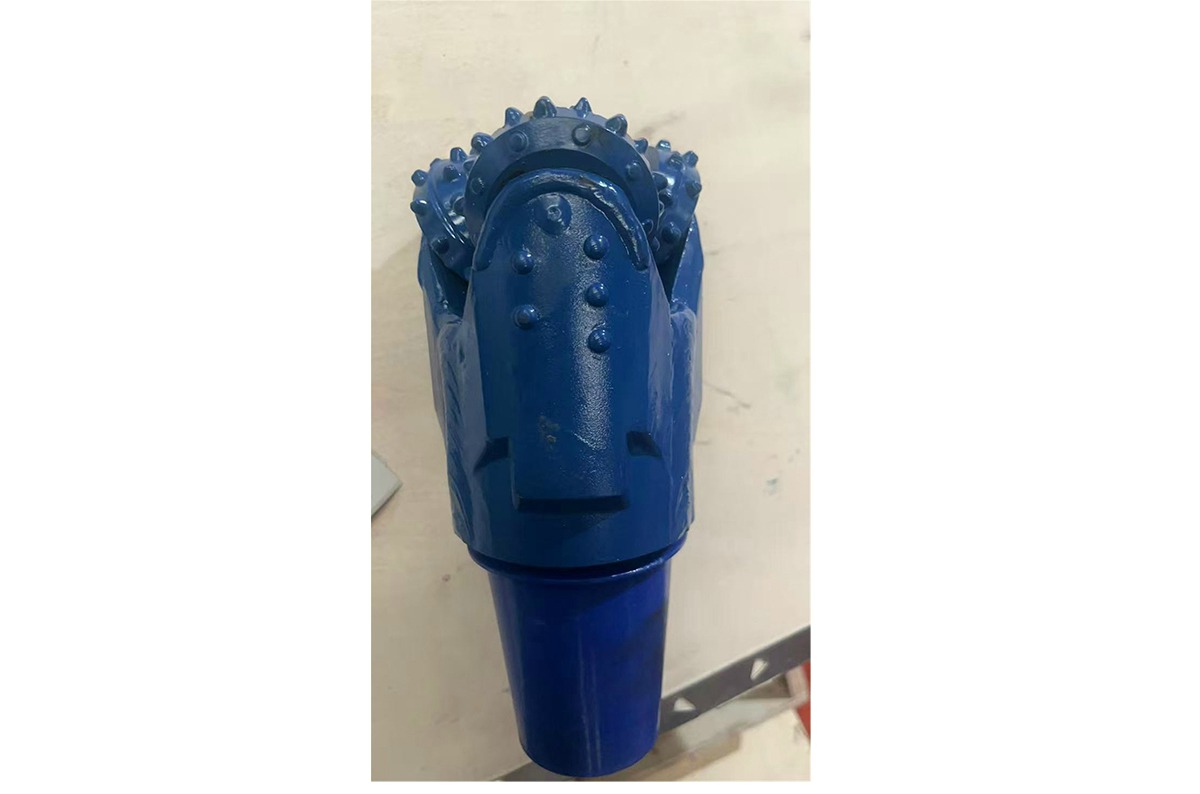
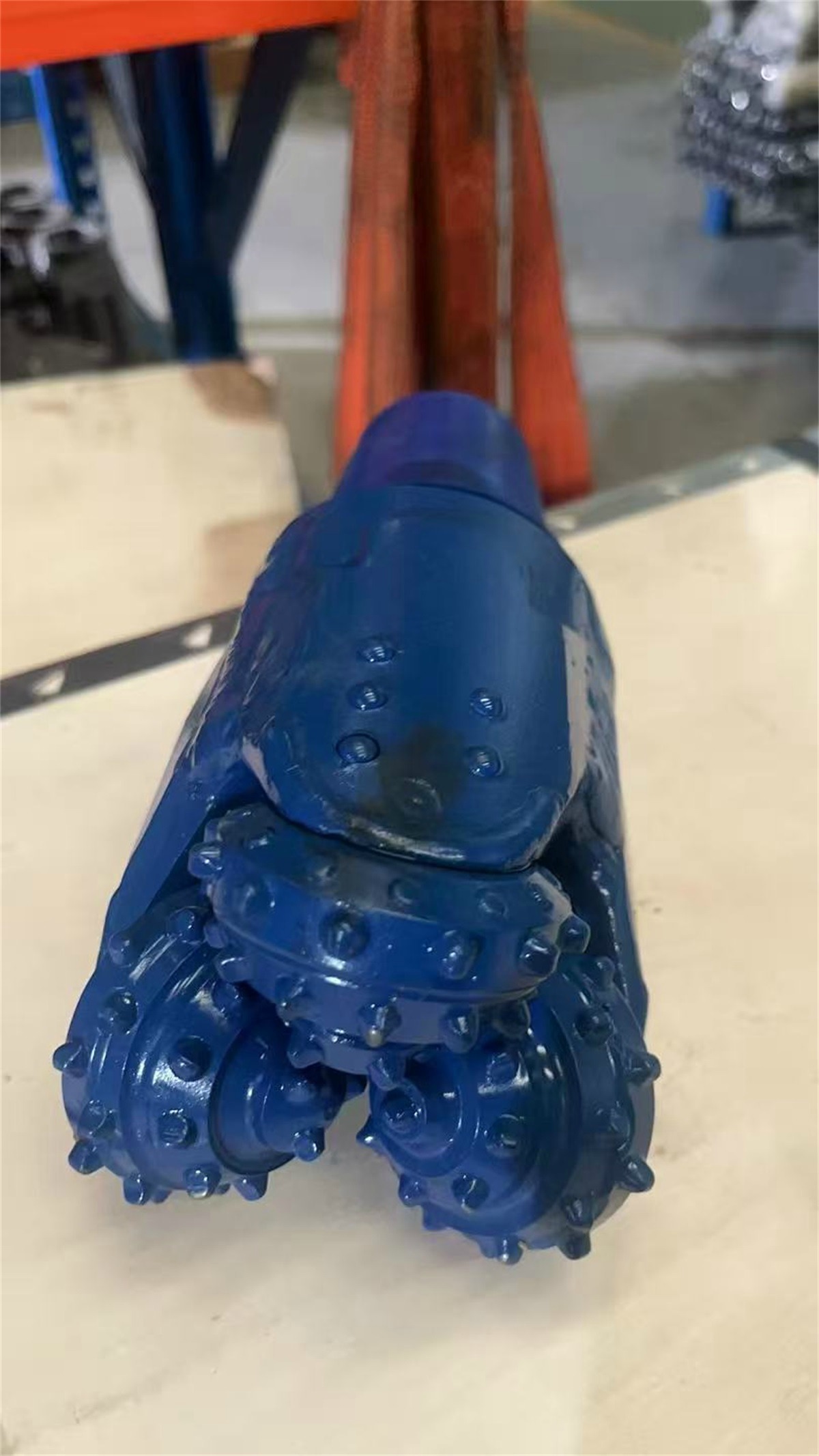
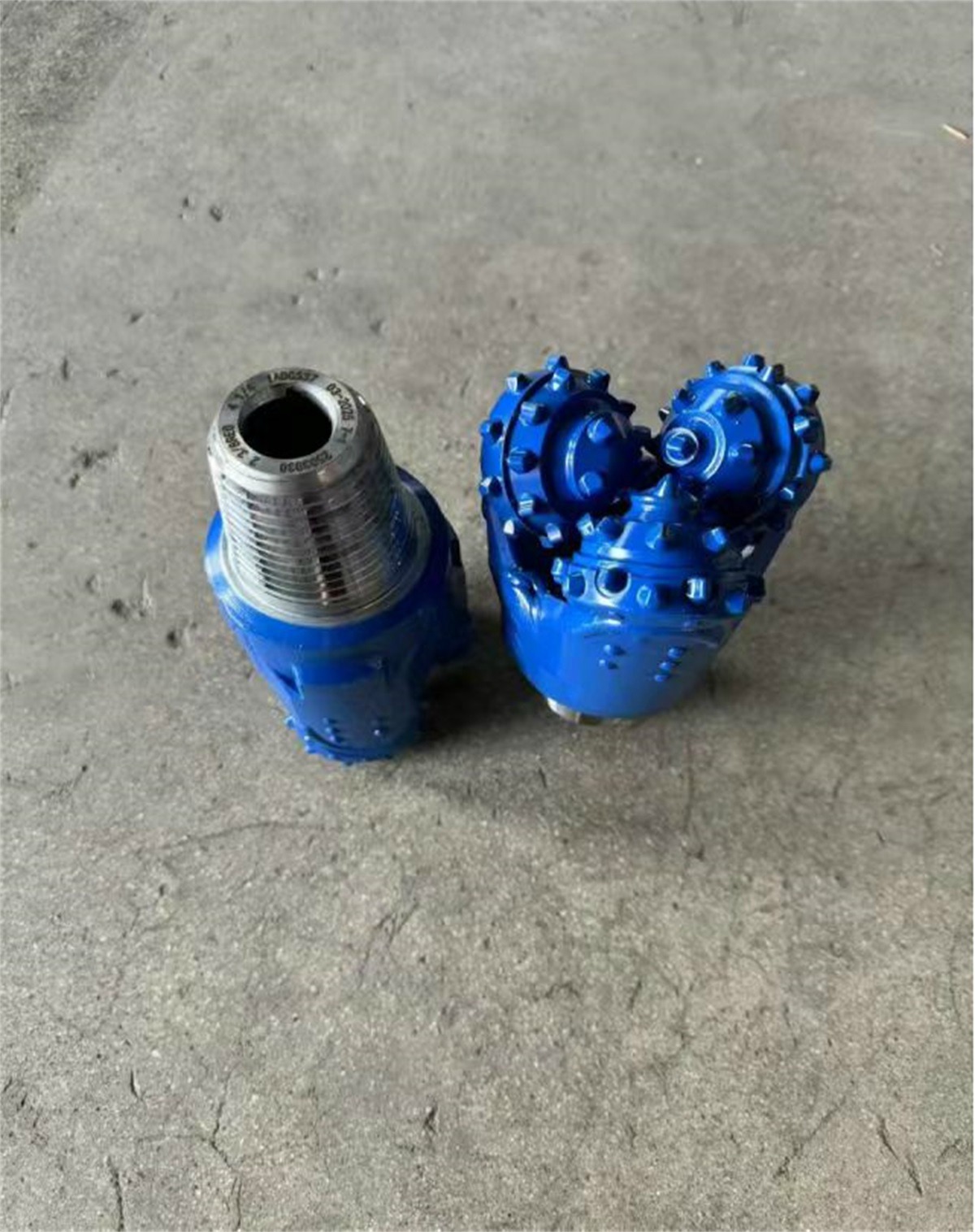
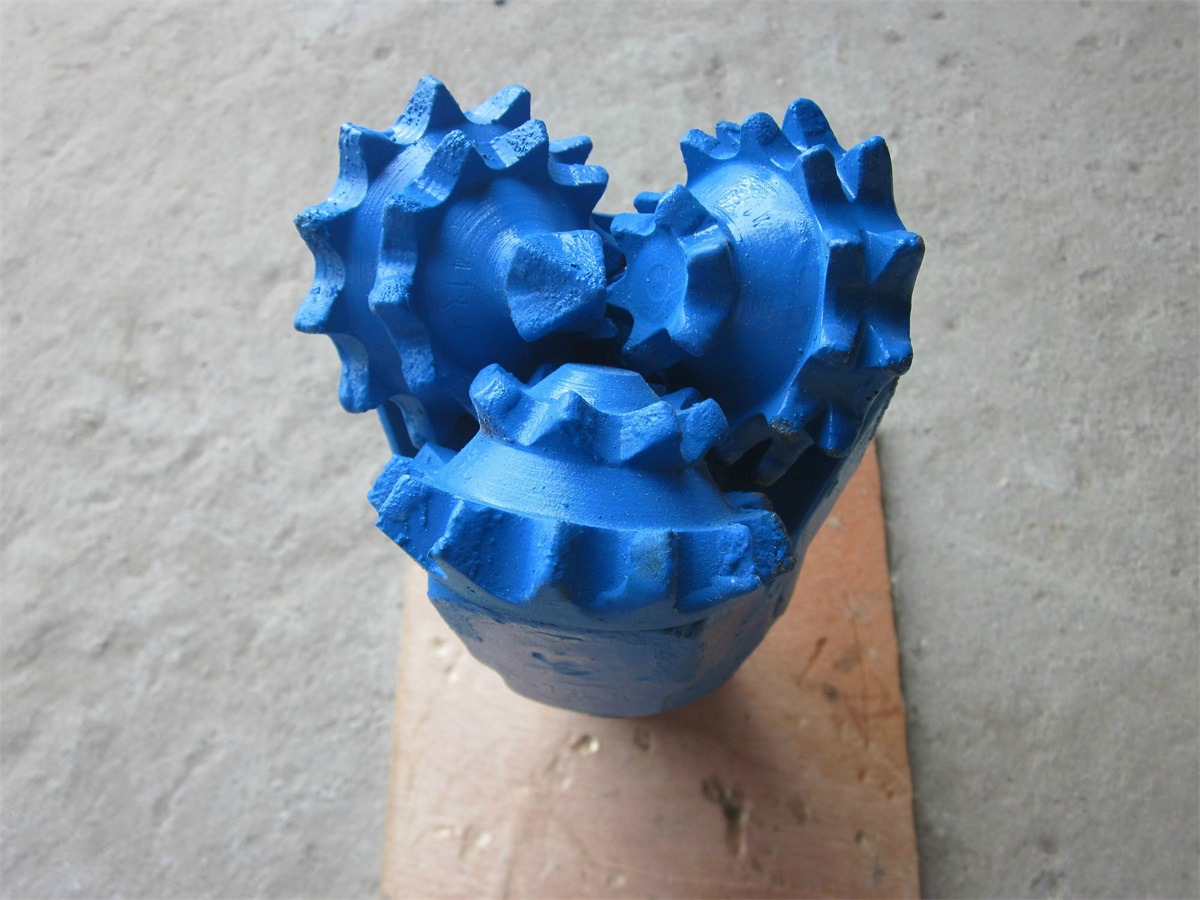
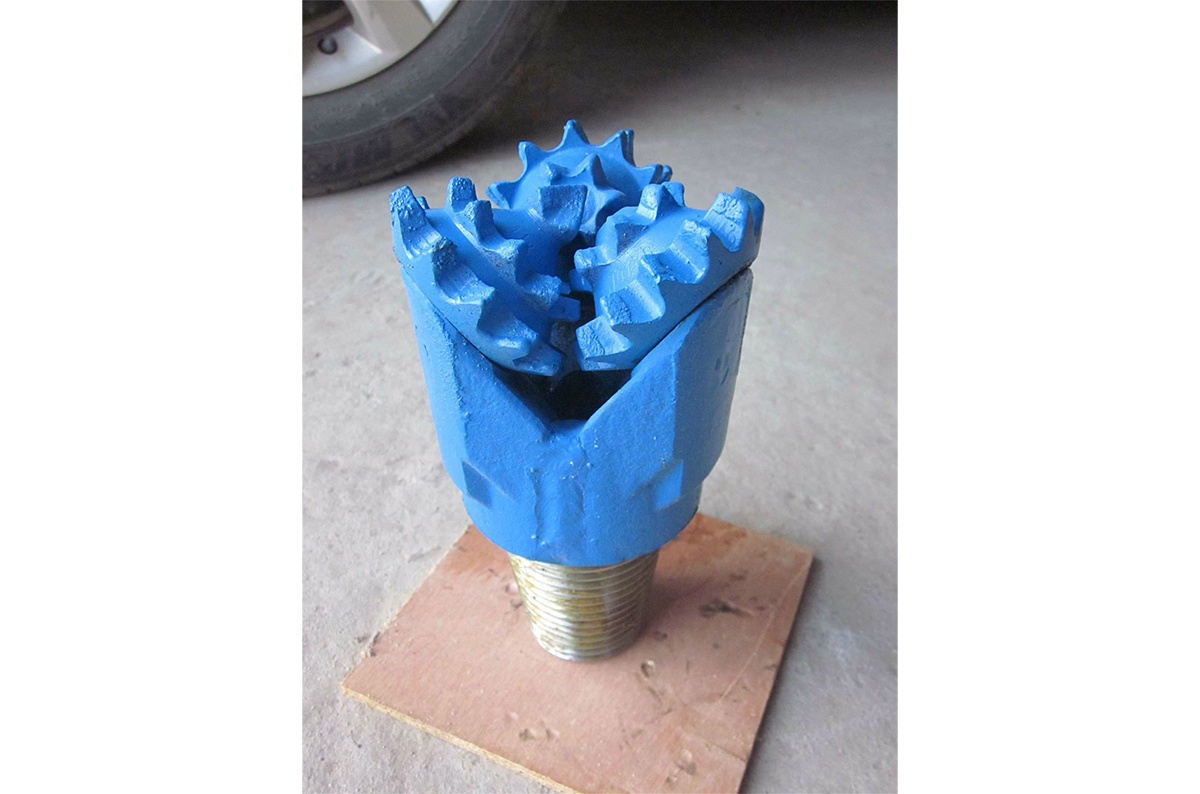
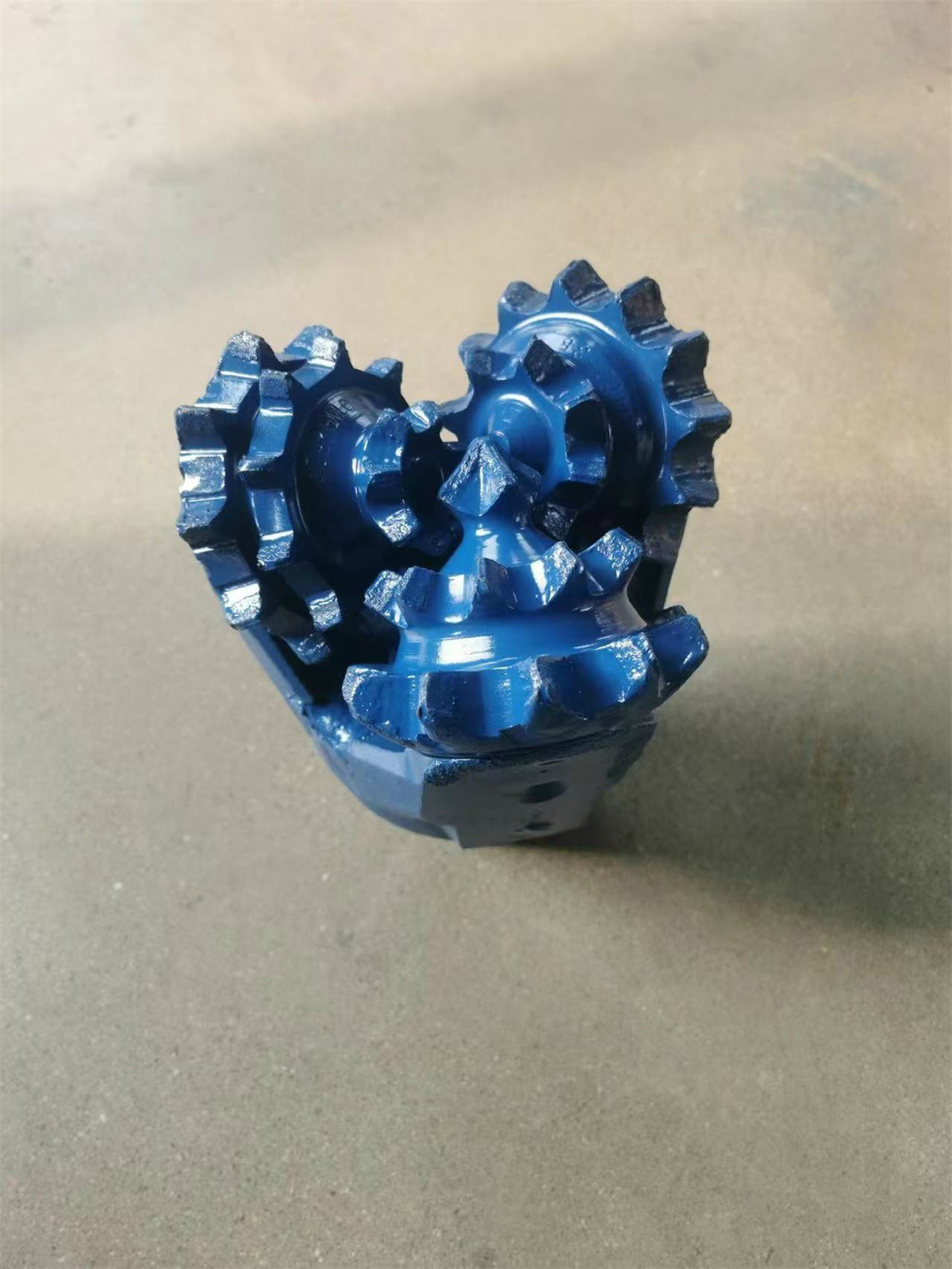
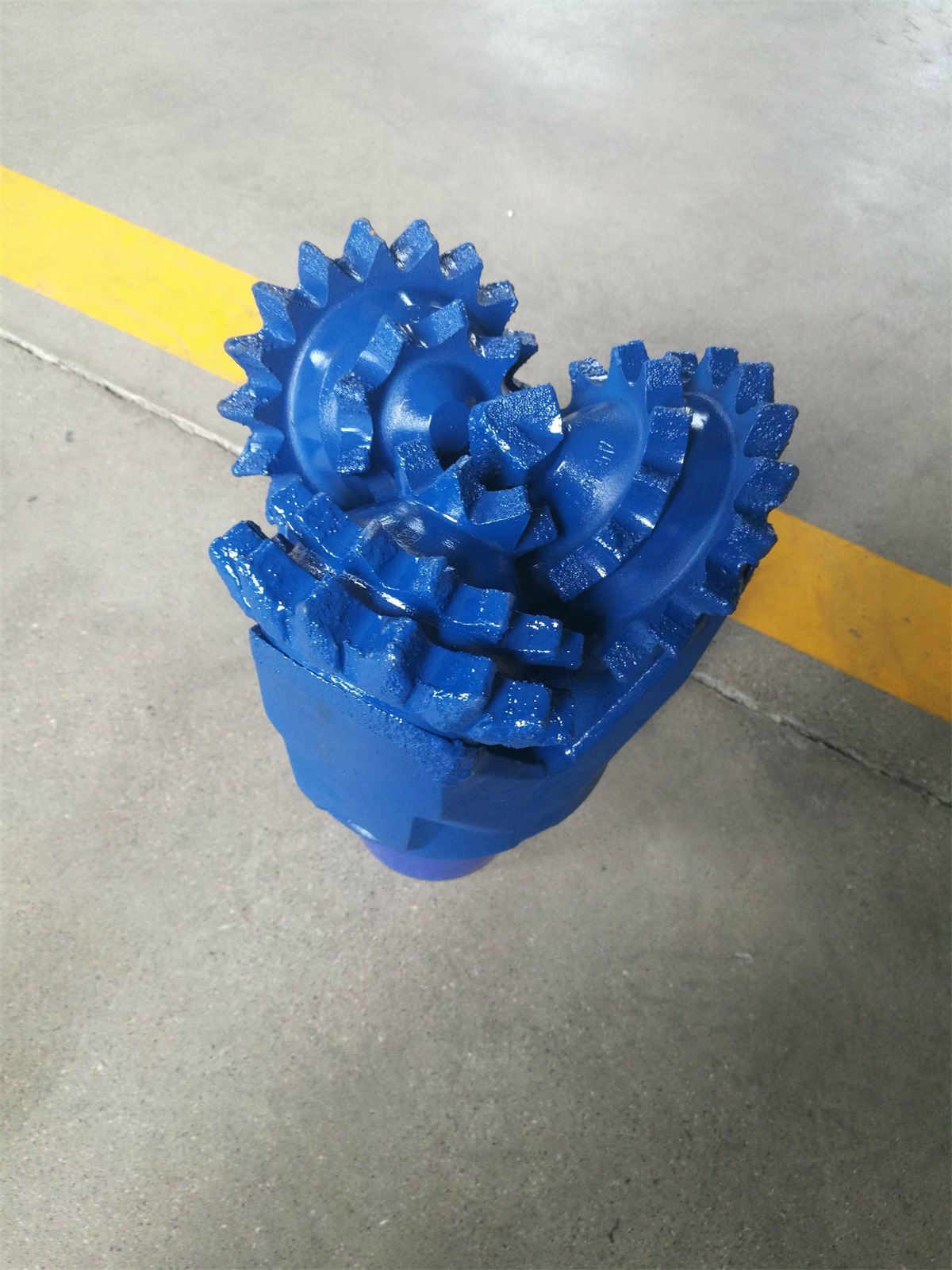
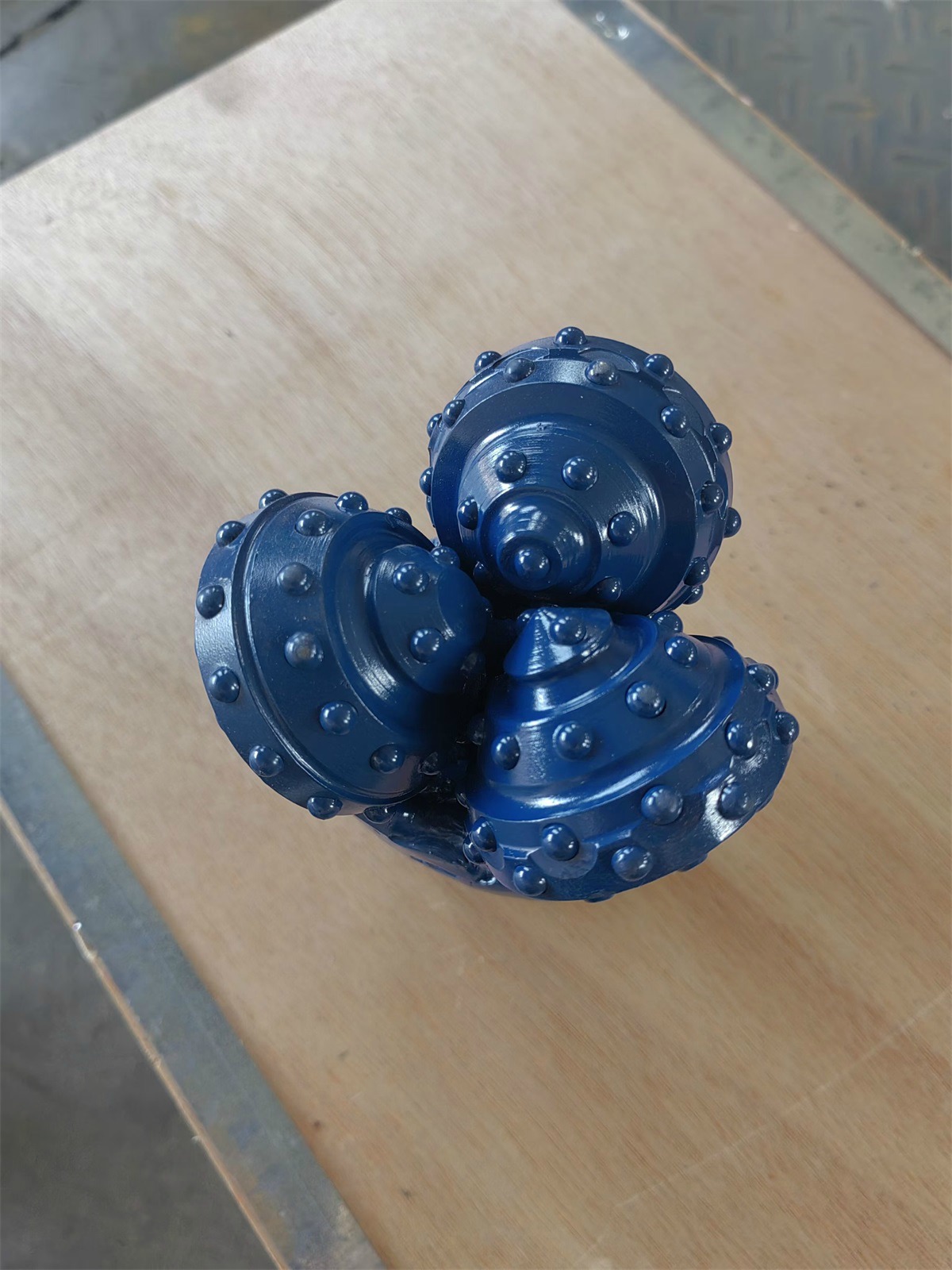
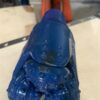
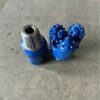
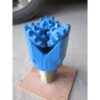
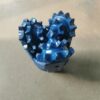
A tricone bit is a versatile rotary drill bit consisting of three independently rotating conical rollers. As the bit is rotated by the drill string, these cones roll along the bottom of the borehole, using a combination of crushing, chipping, and scraping actions to pulverize rock. This “three-headed” design allows it to handle a wider variety of geological formations than fixed-cutter bits, ranging from soft sands to extremely hard granite.
Key Cutting Structures
The choice of cutting elements defines the bit’s primary application:
Milled Tooth (Steel Tooth) Bits: Feature long, aggressive teeth machined directly from the steel cone body. They use a gouging and scraping action, making them highly efficient and cost-effective for soft to medium formations like shale and clay.
Tungsten Carbide Insert (TCI) Bits: Utilize extremely hard tungsten carbide “buttons” pressed into the cones. These bits rely on an impact crushing mechanism and are essential for drilling through hard, abrasive formations like limestone, dolomite, and basalt. Bearing Systems
The bearing type determines the bit’s durability and suitability for deep-well operations:
Open Bearing: The simplest and most affordable option, lubricated by the drilling fluid. Typically used for shallower wells or less demanding conditions.
Sealed Bearing: Features a lubrication system protected by rubber seals to prevent contamination from drilling mud and debris, extending the bit’s life in deep or high-temperature environments.
Journal (Friction) Bearing: A heavy-duty, robust system designed to withstand high weights-on-bit and rotational speeds in challenging industrial applications.
IADC Classification Codes
The industry uses a standardized 4-character IADC code to identify bit capabilities:
First Digit (1-8): Indicates the series (material and formation). 1-3 are Milled Tooth; 4-8 are TCI (with 8 being the hardest).
Second Digit (1-4): Classifies the formation hardness the bit is intended for.
Third Digit (1-7): Specifies the bearing and seal type (e.g., 6 is a sealed journal bearing).
Fourth Digit (Letter): Denotes additional features like gauge protection (G) or air applications (A).