Hollow Stem Auger System
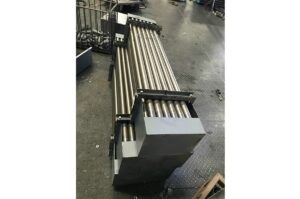
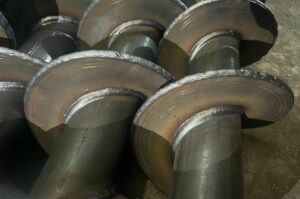
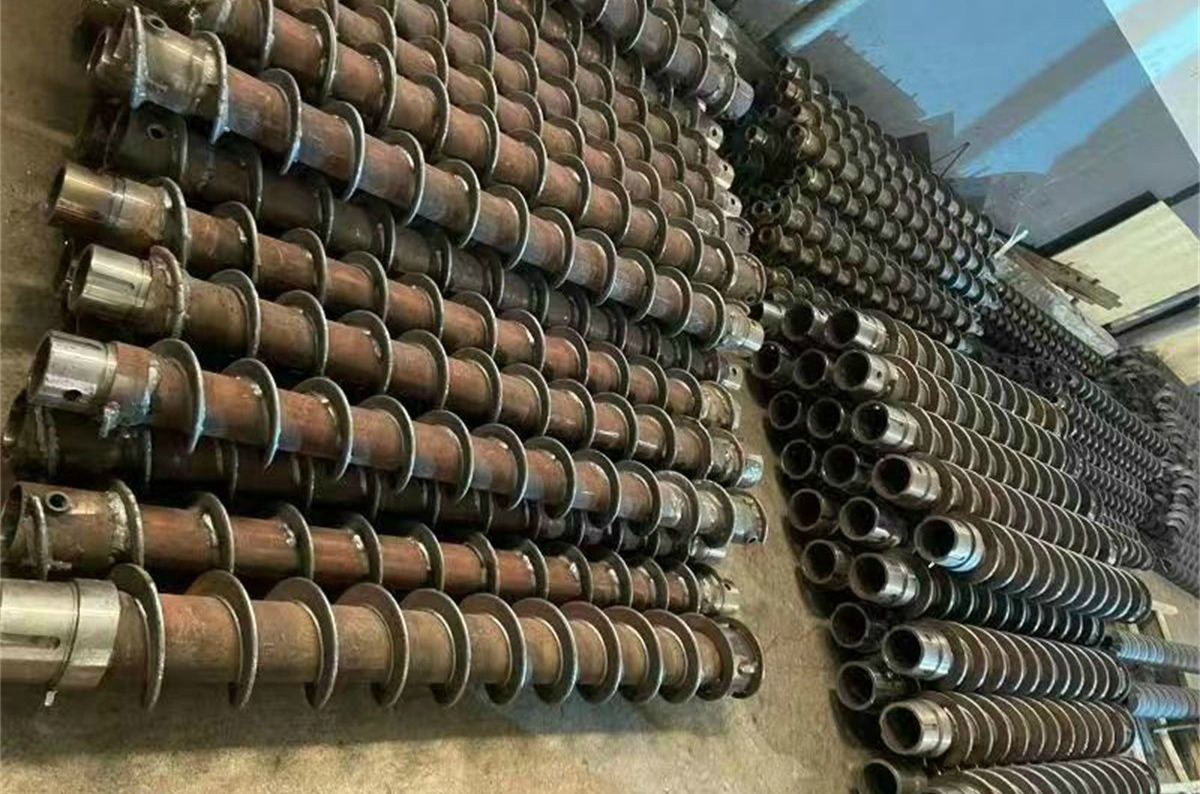
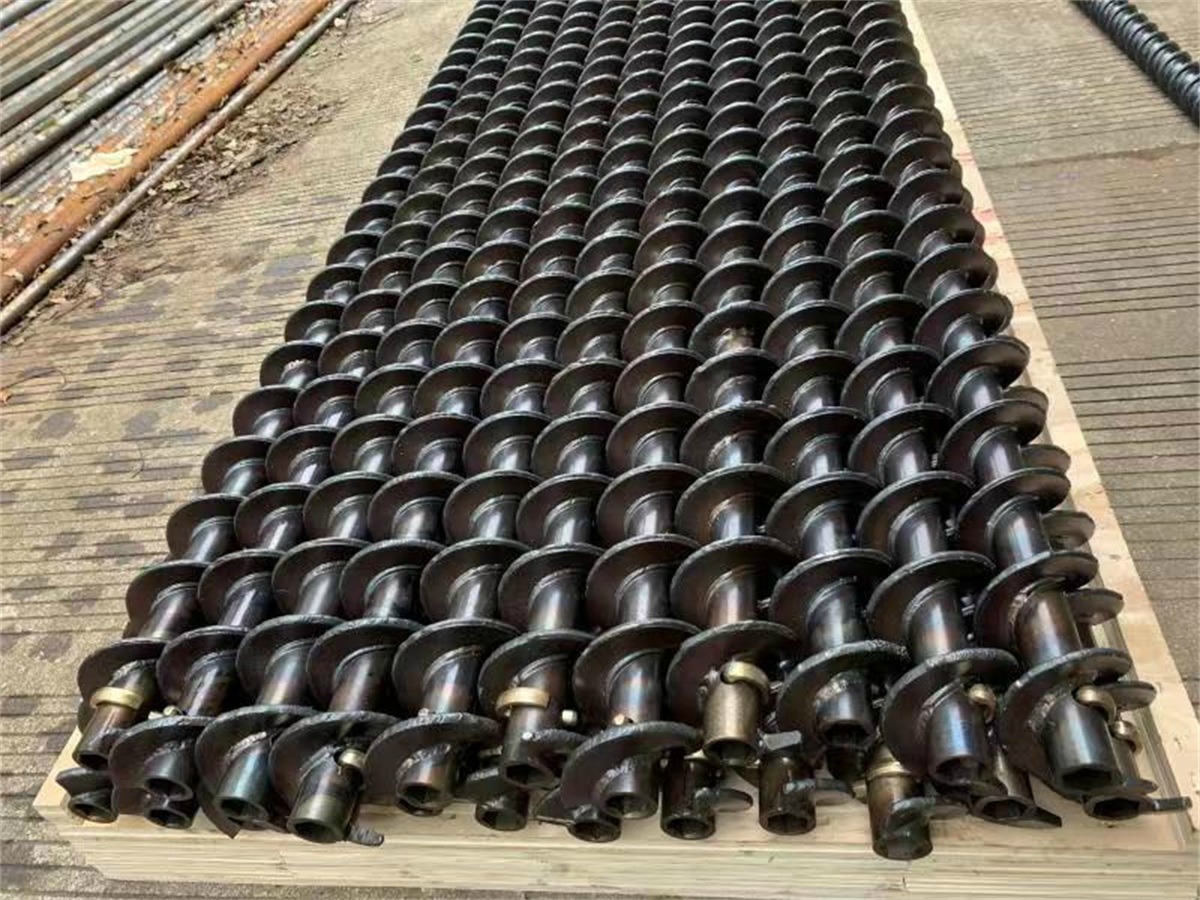
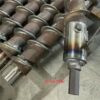
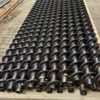
Polaris’ Hollow stem augers (HSA) are a versatile drilling tool featuring a hollow central pipe surrounded by helical flighting, which allows them to act as both a drill and a temporary casing simultaneously. They are primarily used in environmental and geotechnical applications to create a stable borehole in unconsolidated soil formations (like sands, silts, and clays) that would otherwise collapse.
Key Features and Usage
Simultaneous Drilling and Casing: The hollow stem acts as a continuous, temporary casing, preventing the borehole walls from caving in during drilling in unstable ground conditions.
Sample Collection: The primary advantage is the ability to conduct various in-situ tests and collect soil or groundwater samples through the hollow center without removing the auger string from the hole.
Monitoring Well Installation: Once the desired depth is reached, monitoring wells (such as a 2-inch well) or other instrumentation can be installed directly down through the hollow core and into the formation, after which the augers are carefully removed.
No Drilling Fluids: The method typically does not require the use of drilling muds or water circulation, which is ideal for environmental projects as it minimizes the potential for cross-contamination of samples.
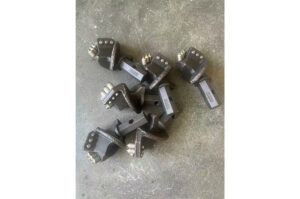
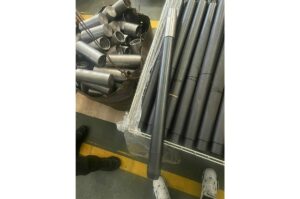
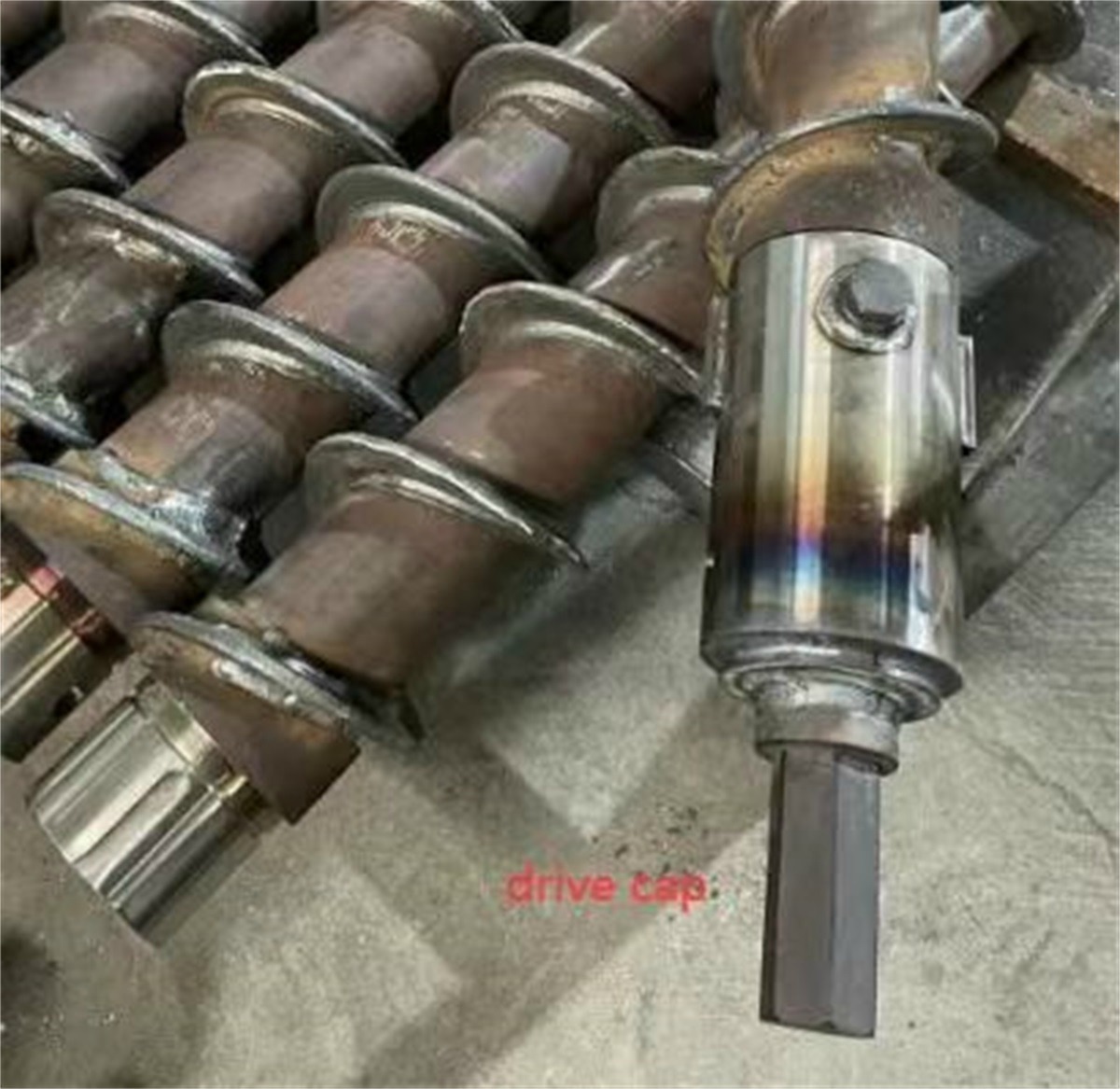
Components: A hollow stem auger assembly includes the flighted auger sections, a cutterhead, a pilot bit (or plug) held in place by a center rod to keep soil out during drilling, and a drive cap.